
Choosing the Right Fruits for Your Baby: Age-Appropriate Selections

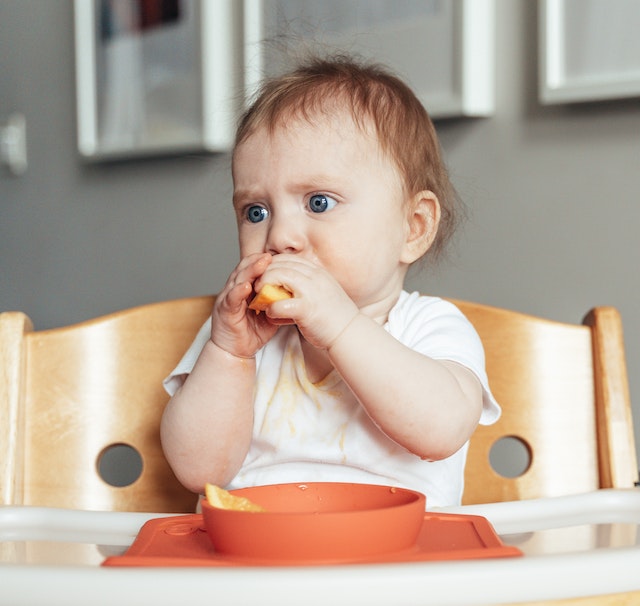
As your baby reaches the exciting milestone of starting solid foods, selecting the right fruits is essential for their health and development. Fruits are not only delicious but also packed with essential nutrients. However, it’s important to choose age-appropriate fruits to ensure a safe and enjoyable experience for your little one. Also, there are Homemade Pineapple Baby Food Recipes that you can try to make at home. In this article, we’ll guide you through the process of selecting fruits for your baby at different stages of their growth.
Starting Solids: The First Fruits (Around 6 Months)
Around the age of six months, most babies are ready to begin their solid food journey. Here are some age-appropriate fruits for this stage:
- Bananas: Bananas are a fantastic first fruit due to their creamy texture and mild flavor. They’re easy to mash or puree and are rich in potassium and vitamins.
- Avocado: Although technically a fruit, avocados are a great option for early solids. They offer healthy fats, vitamins, and a creamy texture.
- Pears: Pears, when steamed and pureed, become gentle on your baby’s sensitive digestive system. They provide fiber and vitamin C.
Advancing to More Textured Fruits (Around 7-8 Months)
As your baby grows and develops their chewing skills, you can introduce more textured fruits to their diet. Here are some options for this stage:
- Apples: When cooked and mashed, apples provide a great source of fiber and vitamin C. Be sure to remove the skin and seeds before feeding them to your baby.
- Peaches: Peaches are another excellent option for this stage. They’re rich in vitamins and minerals, including vitamin A and potassium, and offer a unique texture that your baby will love.
- Blueberries: These small but mighty fruits are packed with antioxidants and essential nutrients. For babies, you can mash or puree them for a delicious treat.

Exploring New Flavors (Around 9-12 Months)
By nine to twelve months, your baby has likely become a pro at eating solid foods. This stage is perfect for introducing new and exciting fruit flavors, such as:
- Mango: This tropical fruit is rich in vitamins and minerals, including vitamin C and potassium. It’s also soft enough for babies to chew on their own.
- Kiwi: The fuzzy texture of kiwis may be a new and exciting experience for your baby. They offer vitamins, minerals, and antioxidants.
- Watermelon: Not only is watermelon refreshing and hydrating, but it’s also a great source of vitamin A and lycopene. You can cut it into small cubes or puree it for your little one to enjoy.
Remember to always supervise your baby while they’re eating, and introduce one fruit at a time to check for any potential allergies. By following these simple guidelines, you can provide your baby with a variety of age-appropriate fruits that will aid in their growth and development. Happy exploring! So, always be cautious when selecting fruits for your baby as they grow and develop.
In Conclusion
Choosing age-appropriate fruits for your baby is an essential part …
 The first step to good
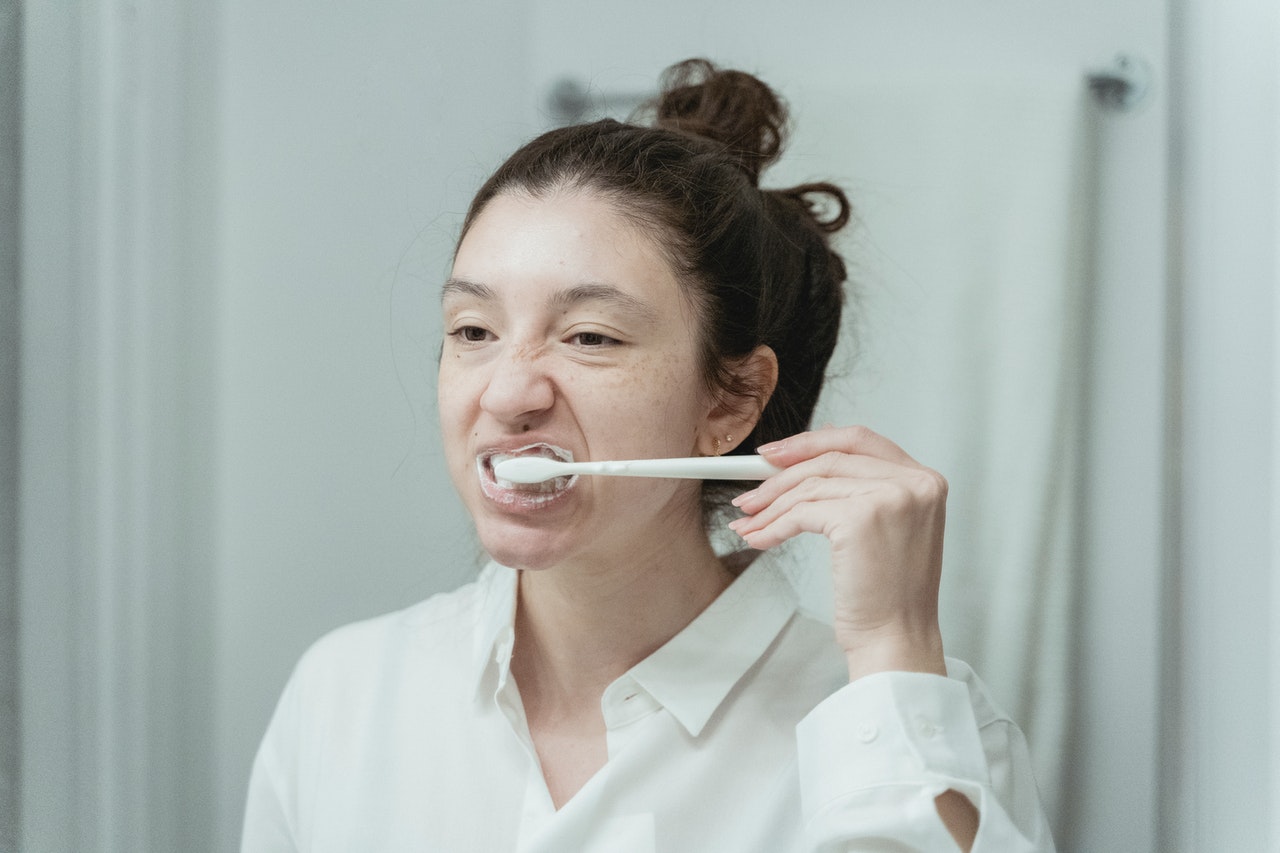
  Last but not least, take note of what you eat and drink. Eating sugary and acidic foods can damage your teeth and promote cavities. You should also avoid drinking soda, coffee, and tea, as they can stain your teeth. If you eat or drink these things, be sure to brush your teeth afterward. Moreover, chewing sugarless gum can help remove plaque and bacteria from your teeth. So, there you have it. These are some helpful tips to boost your oral hygiene and keep your teeth and gums healthy.
 Oxygen is essential for helper cells to fully maintain myelin. Exercise increases oxygen flow to the brain. You’re also likely to gain clinical cognitive benefits by playing puzzles like Sudoku, crossword puzzles, and strategy board games.
 Sleep-deprived people also tend to have higher levels of stress and anxious relationships. See how this can be related? To improve the quality of your sleep, keep your bedroom dark and cool. Turn off electricity an hour before bedtime, as bright light is one of the main reasons our brains think it’s time to be awake and alert.
 High cortisol levels in the brain impair memory, raise blood pressure, and make thinking difficult. Meditation can help, and it’s easy to get started. Remember that your genetic makeup should not determine your destiny. Simple, sustainable changes to your daily lifestyle and improved cognitive well-being can lead to optimal physical and mental performance.…