
Dance Your Way to Better Health: Why Grooving Counts as a Workout
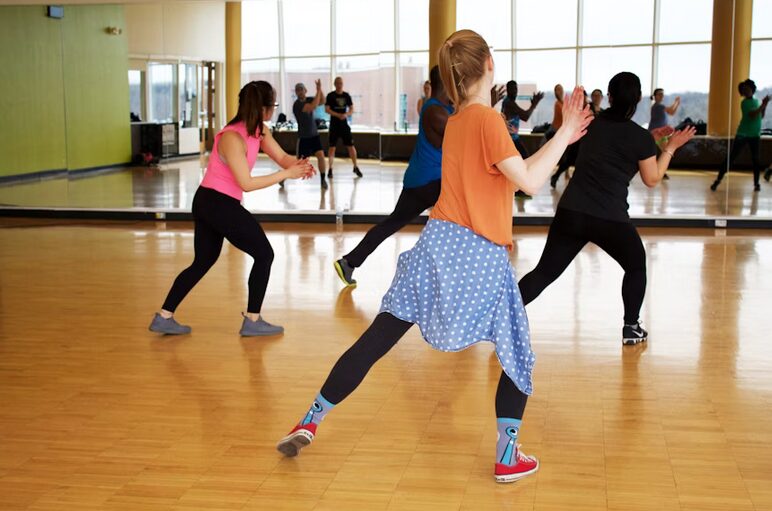
Most workouts feel like work. Reps, sets, and sweat. But dancing flips that idea on its head. It’s movement, yes, but wrapped in rhythm, music, and emotion. You don’t need a gym. You don’t need weights. You just need music and space to move. It’s one of the most fun ways to stay active and healthy. Dancing elevates your heart rate. It activates your muscles. It engages your brain. All while feeling less like exercise and more like joy. That’s what makes it so powerful. You stay consistent because it doesn’t feel like a chore.
Cardio in Disguise
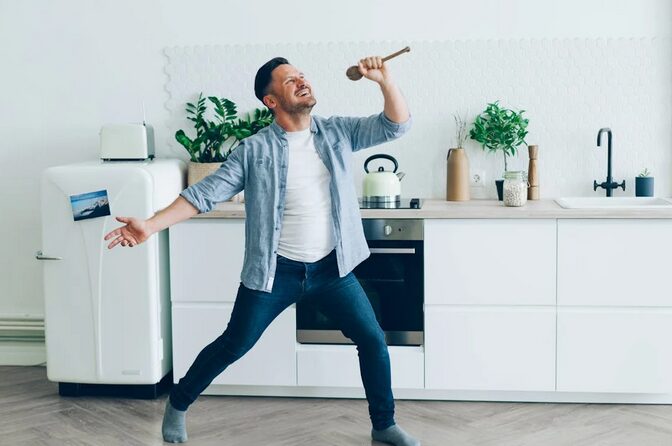
Dancing challenges your cardiovascular system. Fast-paced styles like hip-hop, salsa, or Zumba get your heart pumping quickly. Even slower styles, like ballroom or contemporary, keep you moving. Over time, this improves heart function and endurance. Your lungs work harder. Your circulation improves. Your resting heart rate drops. The body adapts just like it would from running or cycling. But because you’re grooving to music, it often feels easier. That’s the trick: dance hides the effort inside the rhythm.
Strength Without Weights
Dance is a full-body movement. Your legs drive the motion. Your core stabilizes your posture. Your arms extend, flow, and hold positions. All of it builds strength, especially in muscles you might not hit in traditional workouts. Jumping, twisting, bending, and balancing all demand control. Dance styles that include floor work or resistance-based choreography offer even more challenge. You develop strength without heavy loads. That reduces the strain on your joints and lowers injury risk.
Coordination and Brain Engagement

Every dance step involves timing, sequencing, and spatial awareness. That means your brain is working just as hard as your body. You learn to process music, remember moves, and react to rhythm in real time. This helps sharpen coordination and cognitive function. For older adults, dance has been linked to reduced risk of cognitive decline. For younger people, it builds mental agility and focus. It’s a unique workout that targets the body and brain at the same time.
Balance, Mobility, and Flexibility
Balance declines with age. So does joint mobility. Dancing helps preserve both. It requires you to move through full ranges of motion, shift weight from foot to foot, and maintain posture during transitions. Styles like ballet or contemporary emphasize control and length. Others, like salsa or swing, emphasize rhythm and footwork. The variety of movement patterns helps prevent stiffness and promote joint health. You don’t need to be flexible to start, but over time, dance can improve your range.
Mental Health and Emotional Release

Dance has emotional power. Moving to music lifts mood, eases anxiety, and helps reduce stress. This isn’t just anecdotal. Research shows dancing increases levels of dopamine and serotonin, the brain’s feel-good chemicals. It also offers a form of emotional expression. Movement can help process feelings that are hard to put into words. Group dance sessions build connection and support. Even dancing alone gives space to release tension and reconnect with your body. The result …






 Did you know how much muscle you have can affect your flexibility? If you have more muscle, you may find it harder to achieve the same range of motion as someone with less muscle. This is because muscles can get in the way of joints trying to move. So what can you do if you have a lot of muscle? You may need to put in a bit more effort when stretching. Try holding each stretch for at least 30 seconds and focus on breathing deeply.
 What if we told you that not being active, like sitting too long every day, could make you less flexible? It’s true. When you’re inactive, your muscles can get shorter and tighter. This can limit your range of motion and make it harder to stretch. So how do you stay active? You can try to exercise for at least 30 minutes every day. And if you have a desk job, take breaks every hour to move around.
 Oxygen is essential for helper cells to fully maintain myelin. Exercise increases oxygen flow to the brain. You’re also likely to gain clinical cognitive benefits by playing puzzles like Sudoku, crossword puzzles, and strategy board games.
 Sleep-deprived people also tend to have higher levels of stress and anxious relationships. See how this can be related? To improve the quality of your sleep, keep your bedroom dark and cool. Turn off electricity an hour before bedtime, as bright light is one of the main reasons our brains think it’s time to be awake and alert.
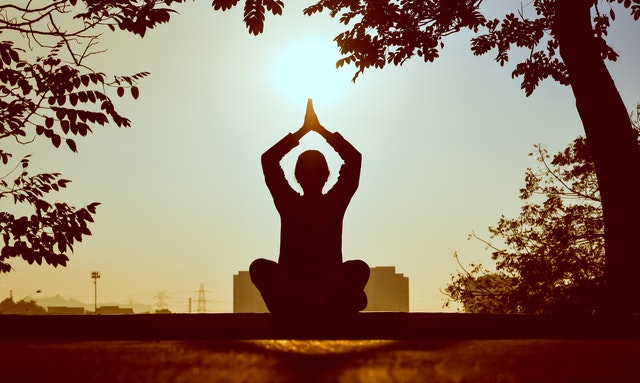 High cortisol levels in the brain impair memory, raise blood pressure, and make thinking difficult. Meditation can help, and it’s easy to get started. Remember that your genetic makeup should not determine your destiny. Simple, sustainable changes to your daily lifestyle and improved cognitive well-being can lead to optimal physical and mental performance.…
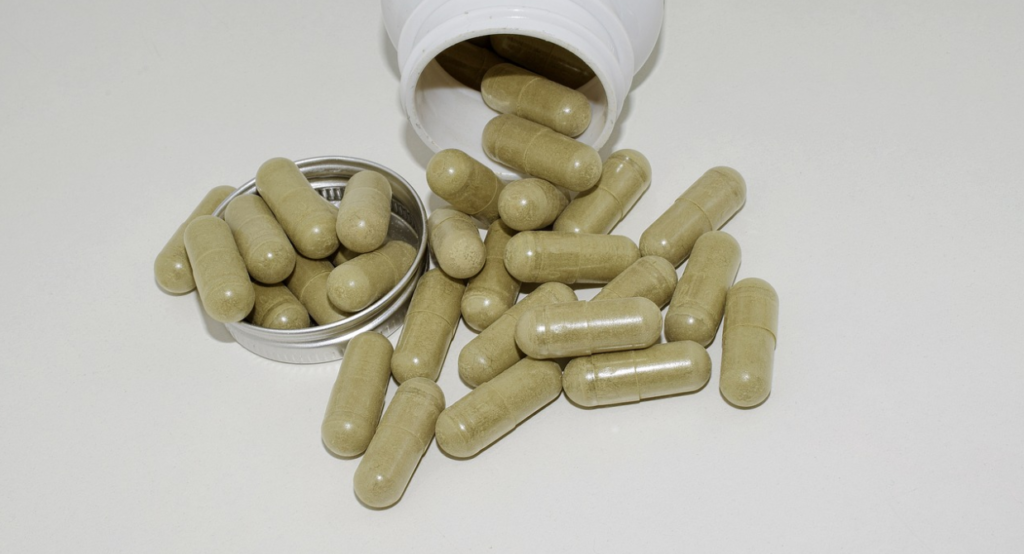

 If struggling with various symptoms that she did not believe related to erectile dysfunction. You may decide to inform your doctor, as her sexual relationship is working with all erectile dysfunction, to discover that through blood tests and other lab tests, the growth of a tumor within his adrenal gland was causing his adrenal hormone or testosterone level to be deficient. Erectile dysfunction was due to the development and the second with the use of penis enlargement pills. Couples then began to enjoy a full and satisfying sexual relationship.
 You may have heard that after quitting, you’ll encounter some unwanted effects, such as melancholy, depression, difficulty sleeping, etc. – and you probably will, but these signs are temporary and manageable.

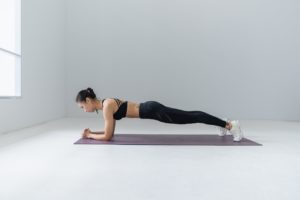 Now you almost certainly have a home or a livelihood in your life, which means that you no longer have time to go to the gym like you did when you were 20 and 30. This is just the case, you need to find ways to maximize your physical activity during a typical day. Make a few small adjustments, such as taking the stairs instead of the elevator. Just remember that an advantage (like an elevator) is often bad because it encourages laziness. It would help if you also tried to visit the gym as soon as possible.
 At this stage it is essential to eat healthy food and do so strategically. Eating a healthy breakfast of fantastic size will increase your metabolism and maintain your energy levels throughout the day. At lunchtime, don’t worry. Eat slowly and lightly; your mind needs about 20 minutes to find the message that you are full, so you will consume less by taking it slowly. Many nutritionists recommend eating two light meals at intervals of a few hours a day rather than one large meal. This will prevent you from being exhausted in broad daylight.
 It may sound scary, but when you reach 40, the risk of developing cancer, osteoporosis, obesity, and heart disease increases over time. You want to be sure you want to protect yourself from these things; you cannot ignore the dangers. To protect yourself from cancer, consume antioxidants to fight free radicals in your body. To get berries, eat lots of vegetables and fruits like citrus fruits, berries, broccoli, and tomatoes, and don’t just take supplements.…



 According to CNN, eating certain foods can improve mental functioning. Eating foods such as avocado juice, apples, and spinach can help improve memory and brain function and protect against cognitive decline.Research shows that the consumption of carbohydrates, seeds, poultry, avocado, and nuts increases brain activity and allows you to work at full capacity. Several studies suggest that eating directly affects our ability to remember. This is why most parents practice their children to eat healthy at a young age.
 It is nothing new that our body is affected by what we eat. Eating healthy foods provides us with the nutrients we need every day and avoids unnecessary snacks and soft drinks, leading to a healthy weight and a good-looking body. The benefits of a good diet go beyond healthy weight and provide wonderful skin tone. Further research indicates that the skin takes on an additional glow when consumed directly and wears out considerably, leaving a fresh and comfortable appearance.…


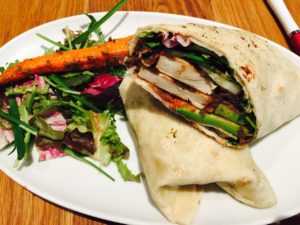
 Pay close attention to your diet because cardio weight training and stretching exercises do not help reduce abdominal fat that you do not eat. Take the calories from your diet to create a deficit. That cardiovascular exercises are just as practical at burning. Your gap should be big enough for you to lose a pound to find a total of 500 calories per week.